

Phase Phrogs
"We believe matter changes" - Sir John D. Fungus III
Founded by Sir John D. Fungus III, an influential science communicator, clown, and time traveler, Phase
Phrogs and its parent company, Dino-facts inc, believe in spreading the word of the lovely scientists of
this world and educating the masses.
Like our founder so proudly believed, matter changes. Matter changes because of heat. Temperature is the
average kinetic energy of a substance; the hotter it is, the more the atoms are bouncing around. It should
be noted that larger objects have more kinetic energy than smaller ones; this does not mean that the larger
object is hotter, it just means it has more atoms, thus more energy. The kinetic energy of the atoms
bouncing around causes the substance to change. The colder a substance is, the more stable its structure is,
but the higher its entropy becomes (this is because all systems will become an equal temperature one day),
the hotter a substance is, the less stable its structure is. When a substance's structure changes due to
heat, its phase is changed. There are four main phases: solid, liquid, gas, and plasma. Look around the
website to learn more.
Solid

Solids are substances that are cold enough to hold a stable shape, and the atoms usually
have a crystalline or amorphous structure. Some examples of each are glass for amorphous and ice for
crystalline. There is also a third type, quasicrystalline, quasicrystalline structures usually happen in
aluminum alloys.
Liquid

Liquids are a type of fluid. The atoms are close together like a solid, but can change
their form to fit any container they are placed in. Liquids are melted solids; heat added to a solid
causes it to change phase (it should be mentioned that phases can be skipped in the heating process)
Gas
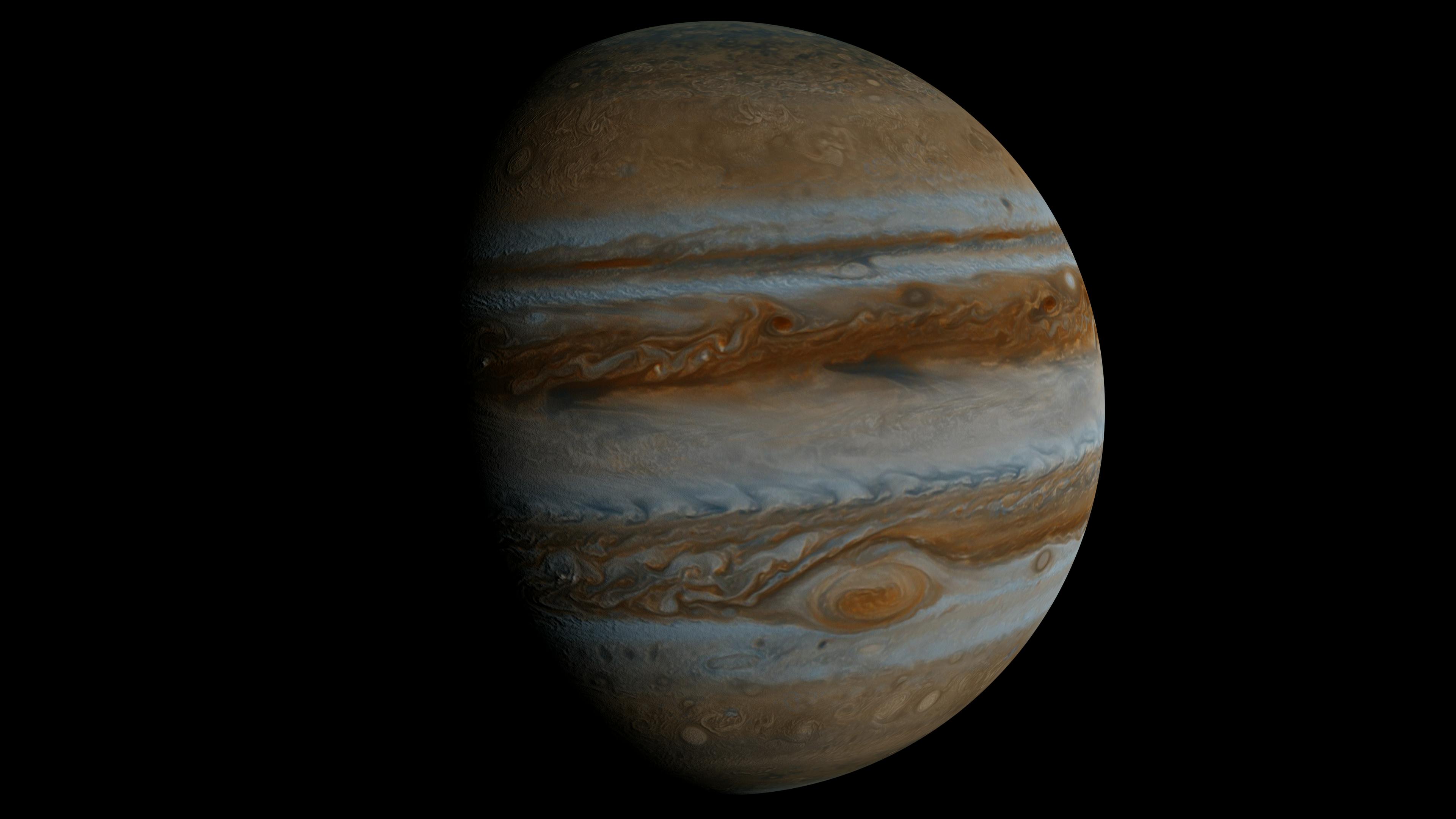
A gas is another type of fluid; its atoms are hot enough that they don't clump together,
but are spread out and occasionally crash into each other. Fun fact: phases of matter don't technically
have to be hot to change; they can just be in different pressures; in some places a substance could be a
liquid, but in others the same substance at the same temperature could be a gas. This is because
pressure changes how compact a space the atoms take up.
Plasma
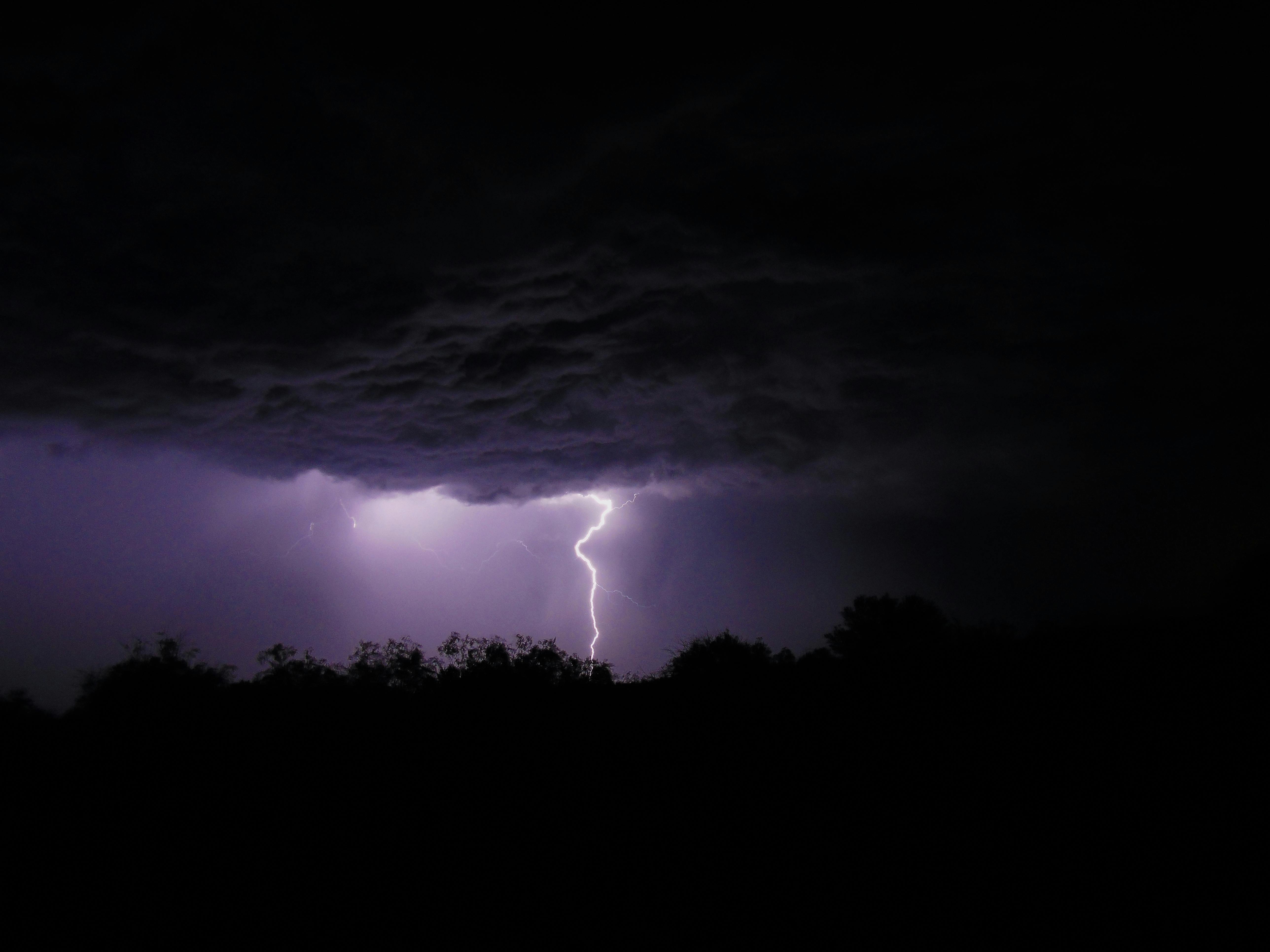
Plasmas are ionized gases, which is fancy talk for the atoms are flying around with some
loose electrons that have fallen off the atoms. Because the atoms lost some of their electrons, they
gain a positive charge, the negative charge from the loose electrons causes plasma to generally have a
neutral charge. Plasma can only happen in extremely high temperatures or very low pressures.
We hope you enjoy your time here at Phase Phrogs. To better navigate the website, you can
click on the hamburger menu icon to see a list of all the pages or view the same list on the footer. (for
the technologically illiterate, the hamburger menu icon is the three lines in the right-hand corner of the
screen. The reason the website is in mobile navigation mode constantly is that they were too lazy to do
media query (do not open this site on a phone, it looks worse some how) ).
Please contact us if you have any questions :3